The Importance of Purification in Quran and Hadith
Purity and cleanliness are foundational principles in Islam, deeply woven into the fabric of daily life and worship. The Quran and Hadith provide comprehensive guidance on maintaining both physical and spiritual purity, emphasizing their essential role in a Muslim’s life. This article explores these teachings and offers practical insights for those striving to embody the principles of purification in their daily lives.
Purity and cleanliness hold a special place in Islam — not only as physical acts but also as expressions of spiritual devotion. The Quran and Hadith consistently emphasize the importance of being pure and clean in every aspect of life. This discussion delves into the multifaceted concept of purity, drawing upon the timeless wisdom of the Quran and Hadith.
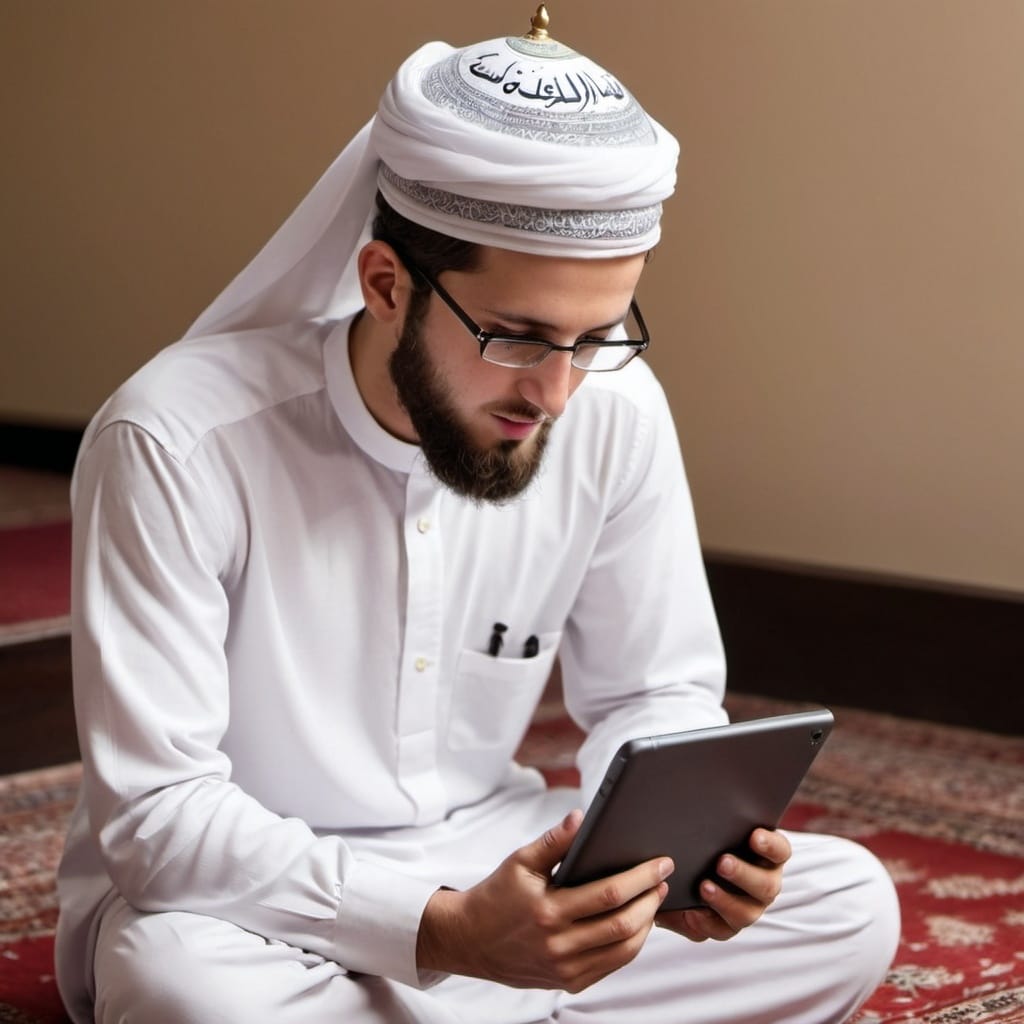
The Concept of Physical and Spiritual Purity
Physical Purity
Physical purity includes the cleanliness of one’s body, clothing, and environment. The Quran and Hadith provide clear instructions for maintaining this purity through regular practices such as ablution (wudu), bathing (ghusl), and wearing clean garments.
Spiritual Purity
Spiritual purity refers to the inner cleanliness of the heart and soul. It involves sincerity in worship, truthfulness, and avoidance of sinful behavior. The Quran teaches that only a pure heart can truly connect with Allah.
“He has succeeded who purifies it.” — Quran 91:9
The Interconnection Between Physical and Spiritual Purity
Islam views physical and spiritual purity as deeply interconnected. Physical purification prepares a believer for spiritual acts like Salat (prayer), ensuring that cleanliness is both outward and inward. This holistic approach helps Muslims maintain harmony between body and soul.
Practices of Purification in Daily Life
Ablution (Wudu)
Ablution is a ritual washing performed before prayer and other acts of worship. It involves washing the hands, mouth, nose, face, arms, head, and feet.
“O you who believe! When you rise to offer prayer, wash your faces and your hands up to the elbows, wipe over your heads, and wash your feet up to the ankles.” — Quran 5:6
Bathing (Ghusl)
Ghusl is a full-body purification required after certain situations, such as marital relations, menstruation, or childbirth. Regular bathing is also encouraged to maintain overall hygiene and purity.
Purity in Worship: Salat and Hajj
Purity is a prerequisite for performing Salat, one of the Five Pillars of Islam. Without proper wudu, prayer is invalid. Similarly, during Hajj, pilgrims enter a state of Ihram, symbolizing spiritual renewal and equality before Allah.
Maintaining purity in worship reflects a Muslim’s devotion, discipline, and readiness to stand before the Creator.
Purity of Wealth and Ethics in Business
Purity extends beyond the physical and spiritual to include one’s wealth and conduct.
Zakat (Charity)
Zakat purifies wealth and the soul from greed and selfishness.
“Take from their wealth a charity by which you purify them and cause them increase.” — Quran 9:103
Honesty in Trade
Islam strictly prohibits deceit and dishonesty in business. The Prophet Muhammad (PBUH) said:
“The truthful and trustworthy merchant will be with the Prophets, the truthful, and the martyrs.” — Tirmidhi
Earning through lawful (halal) means ensures that one’s income and expenditures remain pure and blessed.
Purity of Heart and Mind
Inner purity involves removing traits such as envy, arrogance, and hatred while nurturing sincerity and humility. Every action in Islam is judged by its intention (niyyah), making the purity of intention essential for spiritual growth and acceptance of deeds by Allah.
Regular self-reflection and mindfulness help sustain purity of thought, intention, and behavior.
The Example of Prophet Muhammad (PBUH)
The Prophet Muhammad (PBUH) exemplified the highest standards of personal hygiene and environmental cleanliness. He encouraged regular brushing of teeth, grooming, wearing clean clothes, and keeping surroundings tidy.
He also taught that maintaining a clean environment is an act of charity:
“Removing harmful things from the road is a charity.” — Muslim
His life remains the perfect model for Muslims seeking purity in both body and spirit.
Practical Tips for Maintaining Purity
-
Establish a daily hygiene routine (washing, grooming, clean clothing).
-
Keep your home and environment clean.
-
Eat halal, wholesome, and nutritious food while avoiding harmful substances.
-
Reflect regularly to purify your intentions and actions.
-
Seek forgiveness and maintain sincerity in worship.
FAQs About Purity and Cleanliness in Islam
What is the importance of purity in Islam?
Purity prepares a Muslim for worship and symbolizes spiritual readiness. It encompasses physical cleanliness, sincerity, and ethical conduct.
What are the main types of purification?
There are two: physical purification (cleanliness of the body, clothes, and surroundings) and spiritual purification (purity of heart, intention, and soul).
When is ghusl required?
Ghusl is mandatory after marital relations, menstruation, or childbirth and is recommended regularly to maintain overall cleanliness.
Can wudu be performed with makeup or nail polish on?
If makeup or nail polish prevents water from reaching the skin or nails, it must be removed before performing wudu.
Why is purity necessary for prayer?
Without proper ablution, prayer is invalid. Purity reflects respect and spiritual preparation to stand before Allah.
How does Zakat purify wealth?
Zakat cleanses wealth from greed and ensures that one’s earnings benefit others, fostering compassion and balance in society.
How did Prophet Muhammad (PBUH) emphasize cleanliness?
He practiced and preached personal hygiene, environmental cleanliness, and moral integrity — setting a timeless example for the Muslim community.
Conclusion: A Lifelong Commitment to Purity
Maintaining purity is a continuous journey for every Muslim. It encompasses physical cleanliness, spiritual sincerity, and ethical behavior. The Quran and Hadith provide comprehensive guidance for achieving and preserving purity in all areas of life.
By following these teachings and seeking knowledge — whether through personal study or online Quran learning — Muslims can strengthen their connection with Allah and lead lives marked by integrity, dignity, and spiritual fulfillment.